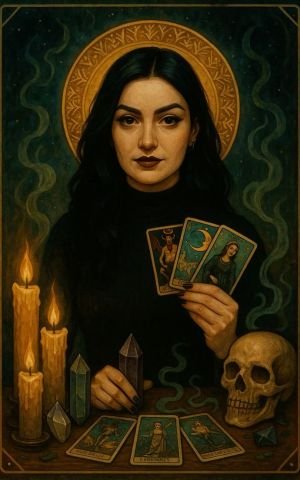
Learning to predict with Tarot cards

Tarot cards are not just a tool for predicting the future, but also a powerful way of self-knowledge, working with the subconscious, developing intuition and energetic perception of the world. Learning to read Tarot cards has become available today to anyone who seeks to uncover the mystical knowledge hidden behind the symbols of the Major and Minor Arcana.
For some, Tarot cards are a way to help themselves and their loved ones make important decisions, for others, they are a path to professional esoteric practice. In any case, learning to read Tarot cards requires patience, attention to detail, and the right approach.
History of Tarot Cards: From Mysticism to Practical Knowledge
Tarot originated in the Middle Ages, and its origins are still controversial. There is a theory that the cards came to Europe from Egypt or the East. They were used in mystical orders, such as the Rosicrucians, as a way of meditation and spiritual growth.
Modern Tarot decks are often based on the Waite system, created by Arthur Edward Waite and artist Pamela Colman Smith. This system includes 78 cards: 22 Major Arcana and 56 Minor Arcana, divided into four suits.
Why You Should Learn Tarot Card Reading
-
Developing intuition and inner vision. Working with Tarot enhances the ability to perceive hidden signs and signals.
-
Psychological understanding of yourself and others. Fortune telling helps to reveal internal conflicts and reasons for current events.
-
Help in decision making. Tarot gives alternative views on the situation, allowing to better understand the perspectives.
-
Professional development. You can become a tarot reader, consult people and build a career in esotericism.
Stages of Tarot Learning: From Beginner to Master
-
Choosing a Deck First, it is important to choose the right deck. It is recommended to start with the classic Rider-Waite deck - it is the most understandable for beginners and has a lot of training materials.
-
Studying the meanings of the cards It is necessary to study the meaning of each card: both the Major Arcana and the Minor Arcana. It is important to understand both the classical meaning and the intuitive one.
-
Card reading practice Practice is the basis of learning. Start with simple layouts: single card, three cards, "cross", and gradually move on to more complex ones, like the "Celtic Cross".
-
Working with clients (if you plan to work with people) Once you have gained enough experience, you can start practicing with other people - first for free, then for a nominal fee.
-
Constant development and self-education Even experienced tarologists continue to study new methods, participate in seminars, and take courses.
Tarot Courses and Training Formats
Today there are many options for training:
-
Online Tarot courses are suitable for those who want to study at a convenient time.
-
Offline Tarot school - for those who prefer personal communication and practice.
-
Individual lessons with a tarot reader - personalized training.
-
Free video tutorials and articles are a good start for self-study.
When choosing a course, you should pay attention to the teacher: his experience, student reviews, approach to teaching.
The Meaning of the Major Arcana: Spiritual Messages
Each of the 22 Major Arcana carries deep symbolism:
-
Fool (0) - the beginning of the journey, freedom, a new stage.
-
Magician (I) - active action, confidence, manifestation of will.
-
Priestess (II) - mystery, intuition, feminine wisdom.
-
Empress (III) - fertility, abundance, motherhood. ...
Each card describes not only events, but also a psychological state, gives advice or a warning.
Interpretation of cards: intuition and technique
One of the most difficult things about Tarot is not just knowing the meanings, but being able to interpret them depending on the layout, question, and intuitive feeling. Therefore, it is important to learn:
-
Listen to your inner voice.
-
Take into account the positions of the cards in the layout.
-
Analyze combinations and interactions of cards.
Typical mistakes of beginners
-
Cramming meanings without understanding the essence.
-
Neglect of intuition.
-
Fear of making mistakes.
-
Lack of practice.
The path to Tarot is a process. Mistakes are inevitable, but they lead to growth.
Tarot and energy: the importance of state in fortune telling
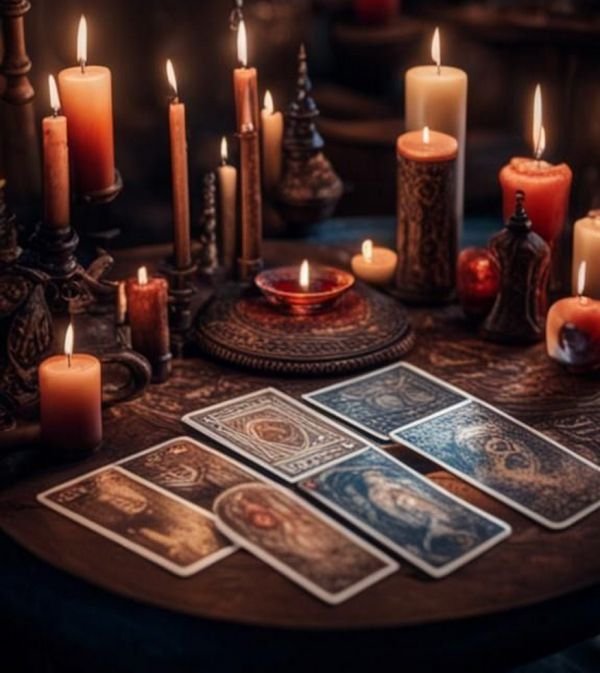
When fortune telling on Tarot, it is important to be in harmony. You cannot tell fortunes in a bad mood, in a state of stress. It is recommended:
-
Clear the space before the session.
-
Use candles, incense.
-
Work in silence or with meditative music.
Tarot as a way to help others
Many people come to Tarot to help not only themselves, but also others. This is a great responsibility. It is important to remember:
-
Don't impose your decisions.
-
Do not frighten or make “fatal” predictions.
-
Support the client, not exacerbate his fears.
Is it possible to learn Tarot on your own?
Yes. Many modern tarologists are self-taught. The main thing:
-
Regular practice.
-
Keeping a diary of layouts.
-
Communication with like-minded people (forums, communities).
-
Reading literature and watching educational videos.
Books for learning Tarot
-
Rachel Pollack "78 Doors of Tarot"
-
Arthur Waite "The Pictorial Key to the Tarot"
-
Alejandro Jodorowsky "The Way of the Tarot"
-
Mary Greer "Tarot for Yourself"
Conclusion: Tarot is not just cards, but a philosophy
Tarot is not only a system of fortune telling, but also a way of understanding life. Through training, you will not only learn the meanings of the cards, but also become more sensitive, attentive to yourself and others. This path opens the door to the depths of consciousness, helps to build your destiny consciously and inspires internal transformation.
Start learning how to read Tarot cards today - and perhaps one day you will become someone who lights the way for others through the symbols and archetypes of the Great Deck.